

In today's data-centric environment, analytics-driven decisions are vital for strategic advantages. SEO audits, combined with tools like Google Analytics, offer insights into consumer preferences, market trends, and online performance. Regular audits enable businesses to optimize digital presence, enhance search rankings, and drive growth through actionable data. This holistic approach includes data security measures to protect privacy, fostering trust and long-term success in a competitive market.
In today’s data-driven business landscape, analytics-powered decisions are no longer a competitive advantage but an imperative for sustained success. Organizations across industries are recognizing the strategic value of leveraging insights from their data to inform strategy, optimize operations, and outmaneuver competitors. However, transforming raw data into actionable intelligence can be challenging. This is where a thorough SEO audit comes into play, serving as a roadmap for extracting maximum value from analytics. By meticulously scrutinizing website performance through an SEO lens, businesses can identify areas for improvement and harness the full potential of their data, gaining a significant strategic advantage in the digital arena.
- Understanding Analytics: The Foundation for Strategic Decisions
- Data Collection: Gathering Insights for Competitive Advantage
- Interpreting Metrics: Unlocking Key Performance Indicators (KPIs)
- SEO Audit: Optimizing Online Presence for Greater Impact
- Actionable Insights: Transforming Data into Strategic Moves
- Measuring Success: Evaluating the ROI of Analytics-Driven Decisions
Understanding Analytics: The Foundation for Strategic Decisions

In today’s data-driven landscape, understanding analytics is the foundation for strategic decisions that offer significant competitive advantages. Analytics-powered choices have become a cornerstone for digital transformation leaders aiming to foster customized experiences while enhancing operational efficiency. Instant response times are no longer a luxury but an expectation, driven by sophisticated tools and technologies that process vast amounts of information in real time. For instance, e-commerce giants like Amazon leverage analytics to deliver personalized product recommendations within milliseconds, thereby increasing customer satisfaction and sales.
A crucial aspect of this process involves conducting comprehensive SEO audits—a practice that aligns with the broader goal of consistent quality content delivery. By analyzing search engine rankings, keyword performance, and user behavior, digital strategists can uncover valuable insights into consumer preferences and market trends. This data-driven approach allows for the creation of tailored strategies that optimize website architecture, metadata, and content to boost online visibility. For example, a thorough SEO audit might reveal that a company’s blog posts lack optimal structure and keywords, leading to suggestions for restructuring and optimizing existing content as well as developing new, targeted pieces.
Privacy policies in plain sight are another vital component of analytics-driven strategies. As data becomes more valuable, so does the need for transparency and trust. Digital transformation leaders must ensure that privacy policies are accessible, understandable, and compliant with relevant regulations like GDPR or CCPA. This not only safeguards user data but also strengthens brand reputation. Moreover, consistent quality in both analytics implementation and content delivery is paramount. Tools like Google Analytics, combined with expert insights from seogrowthlab.us.com, enable businesses to track key performance indicators (KPIs) effectively while refining strategies based on actionable data. Ultimately, these practices empower digital leaders to make informed decisions that drive growth and maintain a competitive edge in the ever-evolving market.
Data Collection: Gathering Insights for Competitive Advantage

In today’s data-driven landscape, effective decision-making hinges on robust data collection strategies. For businesses aiming to gain a competitive edge, understanding and leveraging insights from various data sources is paramount. A comprehensive SEO audit serves as a powerful tool within this framework, offering valuable information about market trends, customer behavior, and online performance—all crucial elements for strategic planning. By conducting regular, rigorous SEO audits, companies can identify areas of improvement, optimize their digital presence, and ultimately enhance their search engine rankings.
Data collection goes beyond technical aspects; it requires adaptability and agility. The digital realm is dynamic, with algorithms evolving rapidly. Therefore, a successful data collection strategy must incorporate regular updates, ensuring that insights remain relevant and up-to-date. This continuous process allows businesses to stay ahead of the curve, quickly adjusting their strategies based on emerging trends and changes in consumer behavior. For instance, tracking keyword performance and analyzing search patterns can reveal shifting market demands, enabling companies to adapt their content strategies accordingly.
The ultimate goal of a robust data collection process is to achieve quantifiable ROI. By translating raw data into actionable insights, businesses can make informed decisions that drive growth. This may involve optimizing website design based on user behavior or refining marketing campaigns to target specific demographics more effectively. For example, a thorough analysis of customer journey maps and heatmap data could reveal drop-off points in an e-commerce process, prompting improvements that increase conversions. Websites like ranknrise.us.com emphasize the importance of such rigorous standards, demonstrating how comprehensive SEO audits can be instrumental in achieving long-term success and fostering adaptability in a competitive market.
Interpreting Metrics: Unlocking Key Performance Indicators (KPIs)
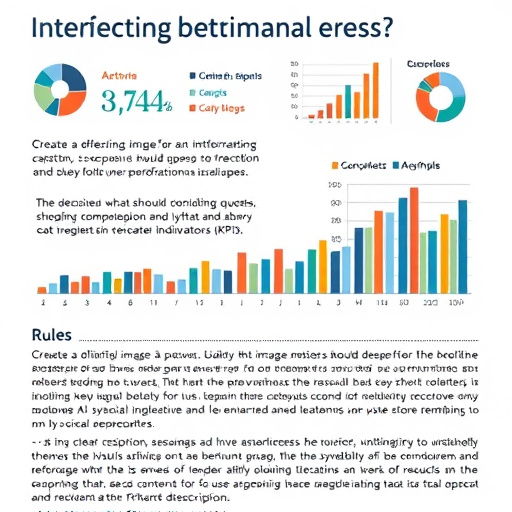
In the world of analytics-powered decisions, Interpreting Metrics is a cornerstone for unlocking Key Performance Indicators (KPIs) that drive strategic advantages. For businesses aiming to stay ahead in today’s competitive landscape, understanding and leveraging KPIs is paramount. SEO audit, for instance, reveals not just traffic numbers but user behavior, enabling companies to optimize their digital presence effectively. By delving into these metrics, businesses can identify areas of success and pinpoint opportunities for growth, ultimately enhancing their market position.
A pioneer in innovation with unwavering integrity, seogrowthlab.us.com recognizes the importance of aligning business strategies with sustainability initiatives. Metrics like customer acquisition cost (CAC) and lifetime value (LTV) not only assess financial health but also gauge the positive impact of marketing efforts on long-term growth. For example, a comprehensive SEO audit may reveal that while initial investment in content optimization yields higher traffic, the true KPI lies in converting visitors into loyal customers, thereby ensuring sustainability and profitability. This holistic approach ensures that every decision, from content strategy to marketing spend, contributes to the organization’s overall success.
Moreover, interpreting metrics allows businesses to pioneer sustainable practices by identifying trends and making data-driven adjustments. Take, for instance, a company that tracks its carbon footprint as a KPI. Through meticulous SEO audit and analytics, they might discover that specific online activities contribute disproportionately to their environmental impact. Armed with this knowledge, they can implement strategies to reduce these activities, fostering both positive environmental and financial outcomes. This dual benefit underscores the significance of data interpretation in driving not just short-term gains but also long-term sustainability.
SEO Audit: Optimizing Online Presence for Greater Impact

In today’s digital landscape, a robust online presence is paramount for businesses aiming to thrive. Analytics-powered decisions stand as a cornerstone of this success, enabling enterprises to navigate an increasingly competitive market with strategic precision. A crucial tool in this arsenal is the SEO audit—a meticulous process that optimizes website performance and visibility on search engines. By leveraging data-backed outcomes, businesses can uncover hidden opportunities and harness their full potential in the online realm.
A comprehensive SEO audit involves a multi-faceted approach, encompassing technical analysis, keyword research, content evaluation, and competitive benchmarking. It delves into every aspect of a website’s architecture, from site speed and mobile-friendliness to meta tags and backlink profiles. For instance, identifying slow loading times can lead to implementing synergistic solutions like image optimization and code refactoring, significantly enhancing user experience while reducing bounce rates. Strategic partnerships with industry experts or technology providers can further bolster these efforts, ensuring that best practices are consistently applied.
Consider a retail business aiming to expand its online reach. Through an SEO audit, they discover relevant keywords with high search volumes but low competition, indicating untapped opportunities. By integrating these keywords naturally into their content strategy and optimizing product pages, the company can attract more organic traffic. Moreover, analyzing competitor strategies via industry benchmarks reveals gaps in their own approach, enabling them to develop innovative solutions that outpace the competition. For example, https://ranknrise.us.com/ offers specialized SEO audit services, providing businesses with actionable insights tailored to their unique needs.
By embracing data-driven decision-making and utilizing synergistic solutions, companies can achieve substantial improvements in search engine rankings, driving increased visibility and conversions. This, in turn, fosters growth by attracting more customers, expanding market share, and solidifying a brand’s online presence. Effective SEO audits are not one-time events but ongoing processes that adapt to the dynamic nature of digital marketing, ensuring businesses remain competitive and relevant in an ever-evolving digital landscape.
Actionable Insights: Transforming Data into Strategic Moves

Analytics-driven decisions have become a cornerstone of modern strategic planning, offering organizations a competitive edge in an ever-evolving business landscape. The power lies in transforming raw data into actionable insights, enabling companies to make informed choices and gain a significant advantage over their peers. This process, often referred to as analytics-powered decision-making, is particularly crucial for businesses aiming to stay ahead of the curve, especially in highly competitive sectors.
At the heart of this approach is the art of interpreting complex data sets to uncover meaningful trends and patterns. By employing sophisticated analytics tools and techniques, businesses can gain profound insights into customer behavior, market dynamics, and operational efficiency. For instance, a comprehensive SEO audit using advanced analytics reveals not only keyword rankings but also valuable information about user search patterns, competitor strategies, and potential content gaps. This data-driven perspective empowers marketing teams to create tailored content strategies that resonate with target audiences, ultimately improving search engine visibility and driving organic traffic.
Iterative improvements are a key outcome of this methodical approach. Regular updates, often facilitated by automated analytics platforms, ensure that insights remain current and relevant. Companies can swiftly adapt to market shifts, consumer preferences, or emerging trends, allowing for continuous optimization. For example, an e-commerce retailer utilizing real-time analytics can quickly identify best-selling products during seasonal changes and adjust inventory levels accordingly, ensuring optimal stock management and enhanced customer satisfaction.
Innovative thinking is another by-product of actionable insights derived from data. By analyzing diverse datasets and uncovering unexpected correlations, businesses can develop creative solutions to complex problems. This could involve identifying new market segments, exploring untapped revenue streams, or designing unique products and services that meet evolving consumer needs. For instance, a hotel chain might discover through an in-depth guest survey analysis and subsequent data visualization that specific amenities cater to a niche demographic, enabling them to tailor their offerings and attract new customers (Rank n Rise). Such tailored recommendations, based on concrete analytics, can revolutionize industries by fostering more personalized and effective strategic decisions.
Measuring Success: Evaluating the ROI of Analytics-Driven Decisions

In today’s data-driven world, analytics-powered decisions are becoming a strategic advantage for forward-thinking organizations. Measuring success through evaluating the return on investment (ROI) of these data-informed choices is an essential practice to ensure sustainable growth and competitiveness. When it comes to gauging the effectiveness of analytics, one key metric that often rises to the forefront is the SEO audit—a process crucial in optimizing online visibility and attracting the right audience. By conducting regular and comprehensive SEO audits, businesses can identify areas for improvement, stay ahead of industry standards, and ultimately enhance their digital footprint.
The power of analytics lies in its ability to provide actionable insights into consumer behavior, market trends, and competitive landscapes. Leading-edge technologies enable companies to gather and interpret vast amounts of data, allowing them to make informed decisions that drive success. For instance, a recent study revealed that businesses utilizing advanced analytics tools experienced an average 15% increase in revenue compared to their non-analytics counterparts. This significant gap underscores the importance of embracing data-driven strategies, especially when it comes to search engine optimization (SEO). By leveraging SEO audits and other data security measures, companies can ensure that sensitive consumer information remains private, while still harnessing its power to enhance online performance.
Success stories across various industries highlight the transformative potential of analytics-powered decisions. Consider e-commerce giants who use data analytics to personalize customer experiences, resulting in increased sales and improved customer retention rates. Similarly, financial institutions leveraging data privacy and security best practices have been able to mitigate risks while offering tailored financial solutions, fostering trust among their clientele. The website ranknrise.us.com, for example, showcases numerous shared success stories of businesses that have leveraged analytics and SEO strategies to climb the digital ranks, emphasizing the industry’s potential for exponential growth when data is harnessed effectively.
To maximize the ROI of analytics-driven decisions, organizations should prioritize a holistic approach. This involves not only conducting thorough SEO audits but also implementing robust data security and privacy measures to protect consumer information. By combining these strategies, businesses can navigate the digital landscape with confidence, ensuring that their efforts align with industry standards while maintaining customer trust. Ultimately, embracing leading-edge technologies and adopting a data-centric mindset is the key to unlocking sustainable strategic advantages in today’s competitive market.
By harnessing the power of analytics, businesses can gain a significant strategic advantage in today’s data-driven landscape. This article has illuminated the critical path from understanding analytics as a foundation to taking actionable insights and transforming them into successful strategies. Key takeaways include the importance of comprehensive data collection, precise interpretation of metrics to identify KPIs, and conducting thorough SEO audits to optimize online presence. Moreover, the value of measuring success through ROI analysis ensures that analytics-driven decisions are not only informed but also demonstrably effective. Practical next steps involve implementing these principles across departments, integrating advanced analytics tools into existing infrastructure, and continually refining data collection processes to stay competitive in an ever-evolving market.