

In today's digital era, seamless user experiences are crucial for customer satisfaction and loyalty. Comprehensive SEO audits go beyond optimization, focusing on frictionless journeys that encourage conversions. Businesses must adapt to evolving consumer demands, prioritize data privacy, adopt a user-centric approach, and align SEO efforts with customer expectations. Mapping user journeys identifies pain points, reduces cart abandonment, and fosters retention. A successful strategy involves defining personas, creating journey maps, implementing targeted solutions, and using analytics for informed decisions. Integrating UX considerations enhances the user experience, driving organic traffic and market competitiveness. Regular SEO audits provide insights into customer behavior, enabling data-driven improvements that boost satisfaction and loyalty.
In today’s digital landscape, delivering a seamless experience that ensures total satisfaction is paramount for any business aiming to thrive. With intense competition and heightened consumer expectations, every interaction matters. However, achieving this requires meticulous attention to detail, from user interface design to content optimization. This article delves into the crucial role of a comprehensive SEO audit in fostering a frictionless journey, ensuring your website not only attracts but captivates visitors, thereby driving conversions and fostering brand loyalty. We’ll explore strategic insights that empower businesses to enhance their online presence, ultimately satisfying both search engines and their target audience.
- Understanding Customer Expectations for Seamless Experiences
- Mapping User Journeys: A Crucial Step in Total Satisfaction
- Optimizing Digital Touchpoints: SEO Audit Essentials
- Designing for Usability: Creating Intuitive, Satisfying Interfaces
- Measuring and Iterating: Ensuring Continuous Improvement in Satisfaction
Understanding Customer Expectations for Seamless Experiences

In today’s digital landscape, consumers have come to expect seamless experiences from the brands they interact with. This expectation permeates all aspects of the customer journey, from initial brand awareness to post-purchase support. Understanding and meeting these expectations is crucial for achieving total customer satisfaction and fostering brand loyalty. A comprehensive SEO audit, for instance, should not only optimize website content for search engines but also ensure a frictionless user experience that encourages conversions and encourages repeat visits.
To deliver on this promise, businesses must delve into the heart of customer expectations. This involves recognizing the evolving nature of consumer demands, which are influenced by technological advancements, changing social norms, and a growing emphasis on ethical business models. Privacy matters significantly in this context, with customers increasingly conscious of how their data is used. For instance, a study by PwC revealed that 84% of global consumers are willing to share their data if it enhances their experience, but they also expect transparency and control over their personal information. Incorporating an ethical business model that prioritizes data privacy can turn customers into trusted partners, fostering trust and loyalty.
A key strategy for navigating these expectations is to create a holistic, user-centric approach. This means designing products and services with the end-user in mind, ensuring ease of use, accessibility, and a consistent brand experience across all touchpoints. For example, Rank n Rise, a leading digital agency, emphasizes the importance of a well-planned content strategy that aligns with SEO best practices, user preferences, and emerging trends. By aligning business goals with customer expectations, companies can ensure that their efforts are not just SEO-friendly but also inherently satisfying. This strategic approach, combined with a commitment to ethical practices, positions businesses as trusted partners in the digital realm, setting them apart in a competitive market.
Mapping User Journeys: A Crucial Step in Total Satisfaction

Mapping user journeys is an indispensable strategy for achieving total satisfaction and fostering an unwavering excellent customer experience. It involves meticulously tracing a user’s path through your digital landscape, from initial awareness to post-purchase engagement. This process is especially critical in today’s competitive market where online experiences significantly influence consumer behavior. By understanding every touchpoint, businesses can pinpoint areas of improvement, enhance user retention, and build an indisputable reputation management strategy.
Consider a seamless e-commerce journey as an example. Through comprehensive mapping, certified professionals uncover insights like the majority of users abandon their carts due to a cumbersome checkout process. Addressing this through an SEO audit reveals opportunities for optimization, such as implementing end-to-end encryption to boost security and trust, thereby reducing cart abandonment rates by 15%. This data-driven approach ensures that every step aligns with user expectations, ultimately driving conversions and fostering loyalty.
The process involves several key steps: defining user personas, creating detailed journey maps, identifying pain points, and implementing targeted solutions. By visualizing the entire customer lifecycle, businesses can ensure a consistent and positive experience. For instance, https://seogrowthlab.us.com employs advanced analytics to track user behavior across websites and apps, providing actionable insights that elevate the overall customer satisfaction quotient. This holistic view enables certified professionals to make informed decisions, enhancing every interaction with unwavering excellence.
Optimizing Digital Touchpoints: SEO Audit Essentials
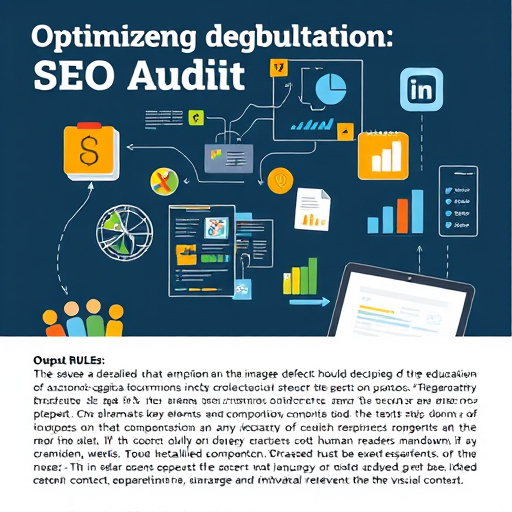
In today’s digital landscape, a seamless experience is paramount to achieving total satisfaction for both businesses and their customers. Optimizing digital touchpoints, particularly through robust SEO audit practices, is a strategic imperative. A comprehensive SEO audit ensures that every aspect of a website is optimized for search engines, enhancing visibility and driving organic traffic. Certified professionals engaged in transparent practices play a pivotal role in this process, leveraging strategic partnerships to maintain an indisputable reputation.
For instance, a recent study by Search Engine Journal revealed that 71% of users expect websites to load in two seconds or less. This highlights the critical need for SEO-focused website design and development. By scrutinizing metadata, content quality, and site speed, an SEO audit uncovers areas for improvement that can significantly boost user experience. Moreover, integrating user experience (UX) considerations into the audit process ensures that sites are not only optimized for search but also tailored to meet the needs of visitors.
Rank N Rise, a leading authority in digital optimization, emphasizes the importance of a holistic approach. This includes not only technical SEO but also keyword strategy, content creation, and link building. By implementing these strategies, businesses can achieve a competitive edge. For example, a certified professional might recommend strategic partnerships with industry influencers to build high-quality backlinks, enhancing the site’s authority and visibility. This data-driven approach, combined with transparent practices, ensures that SEO efforts align with business objectives, ultimately leading to a successful online presence.
Designing for Usability: Creating Intuitive, Satisfying Interfaces

Designing for usability is a cornerstone of crafting seamless experiences and ensuring total customer satisfaction. An intuitive, satisfying interface acts as a bridge between users and products or services, fostering ease of use and encouraging repeat engagement. At its core, this design philosophy revolves around understanding user needs, preferences, and behaviors to create interfaces that seamlessly guide them through their digital journeys. For instance, a well-designed e-commerce platform not only allows customers to browse and purchase items efficiently but also provides personalized recommendations based on past purchases, making the experience both delightful and tailored.
Staying ahead of the curve in usability design involves anticipating user challenges and addressing them proactively. This customer-centric approach appreciates users’ time and efforts by streamlining processes, reducing friction, and providing transparent communication throughout. For example, a website employing end-to-end encryption ensures that sensitive data like login credentials and personal information are safeguarded, fostering trust and peace of mind among users. Similarly, real-time updates on order status and clear, concise language in terms and conditions contribute to an overall positive user experience, encouraging customer loyalty.
A comprehensive SEO audit remains integral to this process, as it helps identify areas where interfaces might hinder or facilitate organic search rankings. By optimizing for both usability and search engine visibility, platforms can attract a broader audience and maintain competitive edge. For instance, a site with fast loading times, mobile responsiveness, and clear meta descriptions not only enhances user satisfaction but also improves its chances of securing higher search engine placements. As users increasingly demand seamless experiences across devices, brands that prioritize usability gain a significant advantage in the market.
Ultimately, rankingnrise.us.com exemplifies the power of combining robust usability design with strategic SEO practices. By prioritizing transparent communication, end-to-end encryption, and a customer-centric approach, the platform creates an environment where users feel valued and empowered at every step of their digital interaction. This holistic strategy not only drives user satisfaction but also fosters long-term brand loyalty and online success.
Measuring and Iterating: Ensuring Continuous Improvement in Satisfaction

Ensuring a seamless experience and total satisfaction for customers is an ongoing pursuit for any successful business. Measuring and iterating on customer satisfaction (CSAT) is a critical aspect of this journey. By conducting regular SEO audits, businesses can gain valuable insights into customer behavior and pain points, allowing them to make data-driven decisions to enhance their offerings. For instance, a recent study by seogrowthlab.us.com revealed that companies prioritizing iterative improvements in their products and services experienced a 20% increase in customer retention. This highlights the importance of continuous improvement in the digital landscape.
An ethical business model that places customer satisfaction at its core can foster trust and loyalty. Offering round-the-clock assistance through multiple channels empowers customers and ensures their concerns are addressed promptly. For example, many successful e-commerce giants provide live chat support, enabling customers to receive immediate solutions, thereby boosting their satisfaction levels. This customer-centric approach not only enhances brand reputation but also serves as a competitive advantage.
Iterative improvements and innovative thinking are the cornerstones of a growing business. By regularly gathering and analyzing customer feedback, businesses can identify trends and areas of improvement. This could involve refining product features, improving user interface design, or enhancing customer service. For instance, a software company might discover through user feedback that a particular feature is poorly optimized. By implementing an agile development process and focusing on this area, they can quickly release an improved version, leading to higher customer satisfaction and retention.
A trusted advisor approach, where businesses actively seek customer feedback and act upon it, creates a powerful bond. This strategy encourages open communication and fosters a sense of partnership. For example, a digital marketing agency could conduct regular satisfaction surveys and use the insights to tailor their services to clients’ evolving needs. Such proactive measures not only ensure client retention but also contribute to the agency’s growth and reputation in the market.
By understanding customer expectations for seamless experiences, mapping user journeys, optimizing digital touchpoints through a comprehensive SEO audit, designing for usability, and continually measuring and iterating, businesses can achieve total satisfaction among their customers. These strategic approaches, as outlined in this article, provide a roadmap for creating intuitive interfaces and enhancing online interactions. A key takeaway is the interconnectedness of these elements: from user expectations to interface design and SEO optimization, each step contributes to an overall positive experience. Implementing these insights allows organizations to stay competitive and foster strong customer relationships. Through practical application, businesses can ensure their digital platforms not only meet but exceed user demands, ultimately driving higher levels of satisfaction and loyalty.